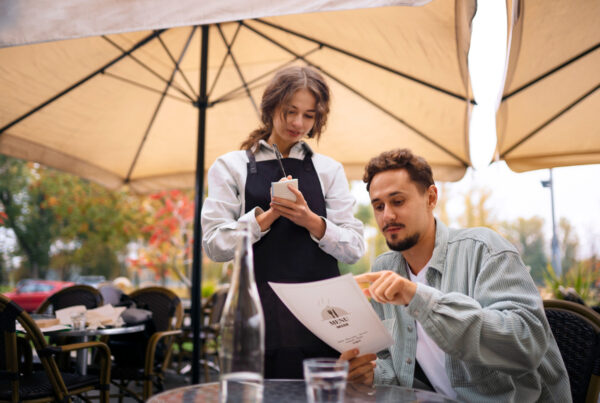


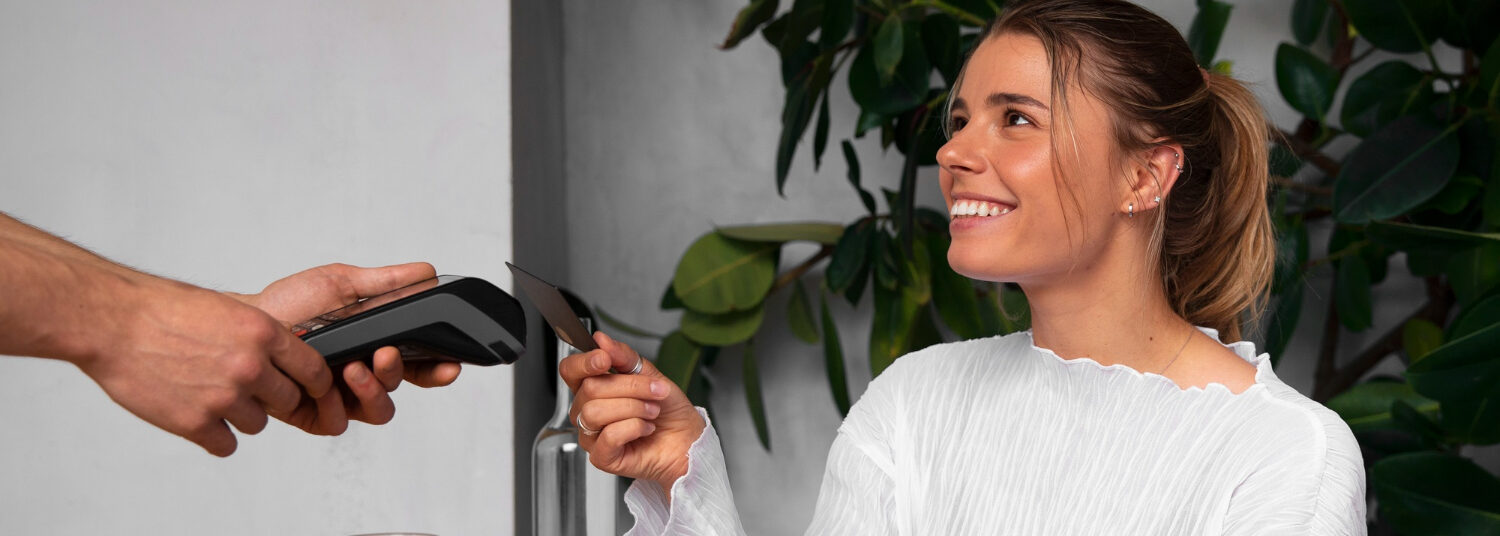
Across Malta you can dine and shop with little worry about how to pay. Most mid-sized and large restaurants accept Mastercard and Visa, and contactless is now common at the table. Supermarkets, hotels, and ride hailing apps also take cards.
Small bars, kiosks, and family run spots may still prefer cash to avoid processing costs, but acceptance keeps growing as card payments speed service and reduce cash handling.
Where in Malta is Mastercard Accepted?
Acceptance is strongest in Valletta, Sliema, St Julian’s, the airport, hotel districts, and busy seaside towns. Full service dining rooms, national chains, and fast casual counters almost always take cards. In village bars, weekly markets, and beach vendors, acceptance varies, and mobile coverage can affect terminals. Carry some euro notes for backup.
Online use in Malta is broad as well. Government portals, utility providers, travel sites, and online casinos where you can pay with Mastercard rely on the same network rules and fraud controls used by major retailers. When a licensed operator displays the Mastercard mark, it signals that the acquirer and the schemes have vetted the setup, that PCI standards apply, and that disputes can be escalated through card chargeback channels.
This wide footprint across streets, screens, and regulated gaming makes Mastercard feel dependable to residents and visitors.
Avoiding Dynamic Currency Conversion and Fees
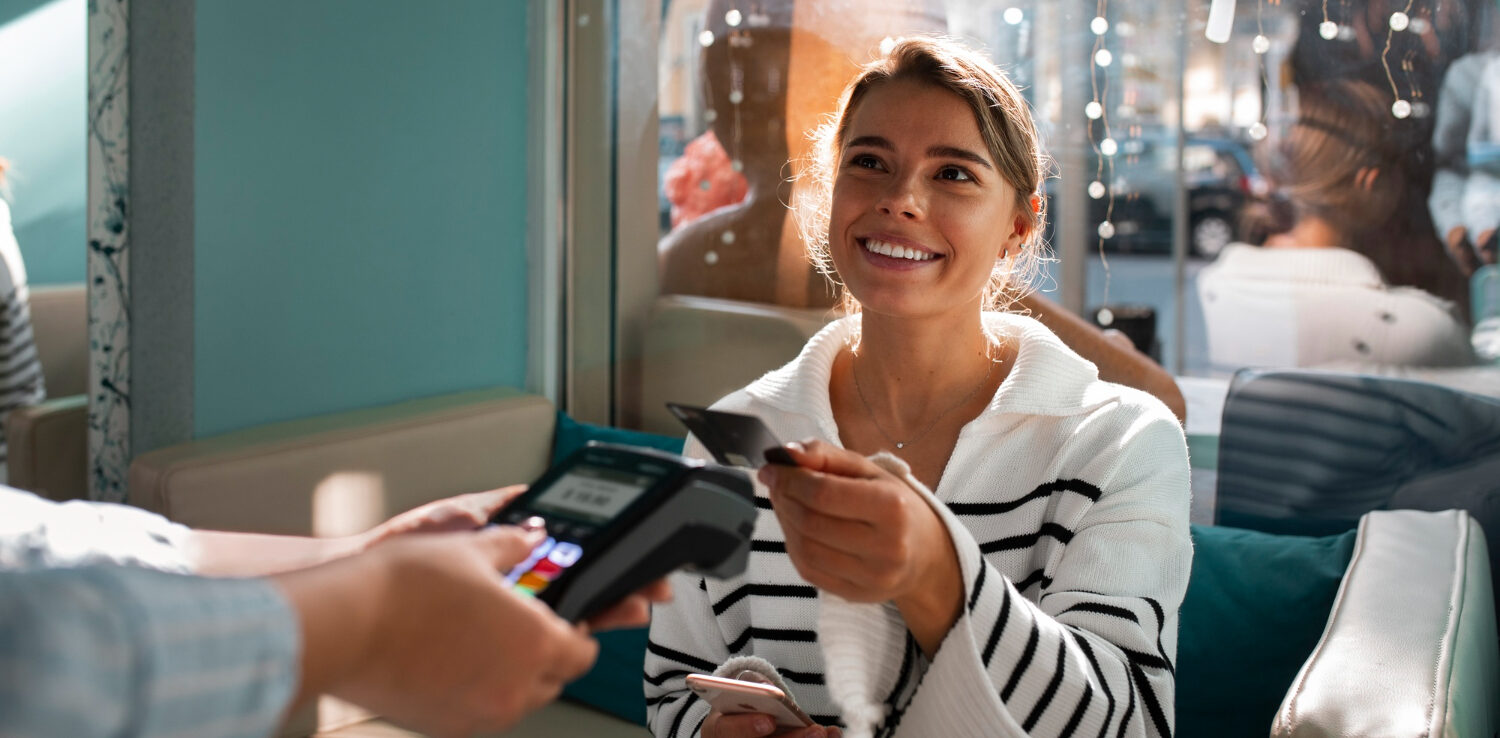
For travellers, the most avoidable cost at the terminal is dynamic currency conversion. Some devices offer to charge you in your home currency. Decline that and pay in euro. The terminal rate for conversion usually includes a steep margin, and your bank may still add its own fee. Paying in euro lets your card issuer handle the exchange at network rates, which is usually fairer.
If your card is issued outside the euro area, your bank may charge a foreign transaction fee. Many travel cards waive this, but some banks still add about three percent. Cards issued within the euro area that are billed in euro usually avoid this fee. In the EU, merchants cannot add surcharges to consumer Mastercard and Visa cards issued within the EU or EEA, though corporate cards and cards issued outside the region can be treated differently.
Contactless and Mobile Wallets
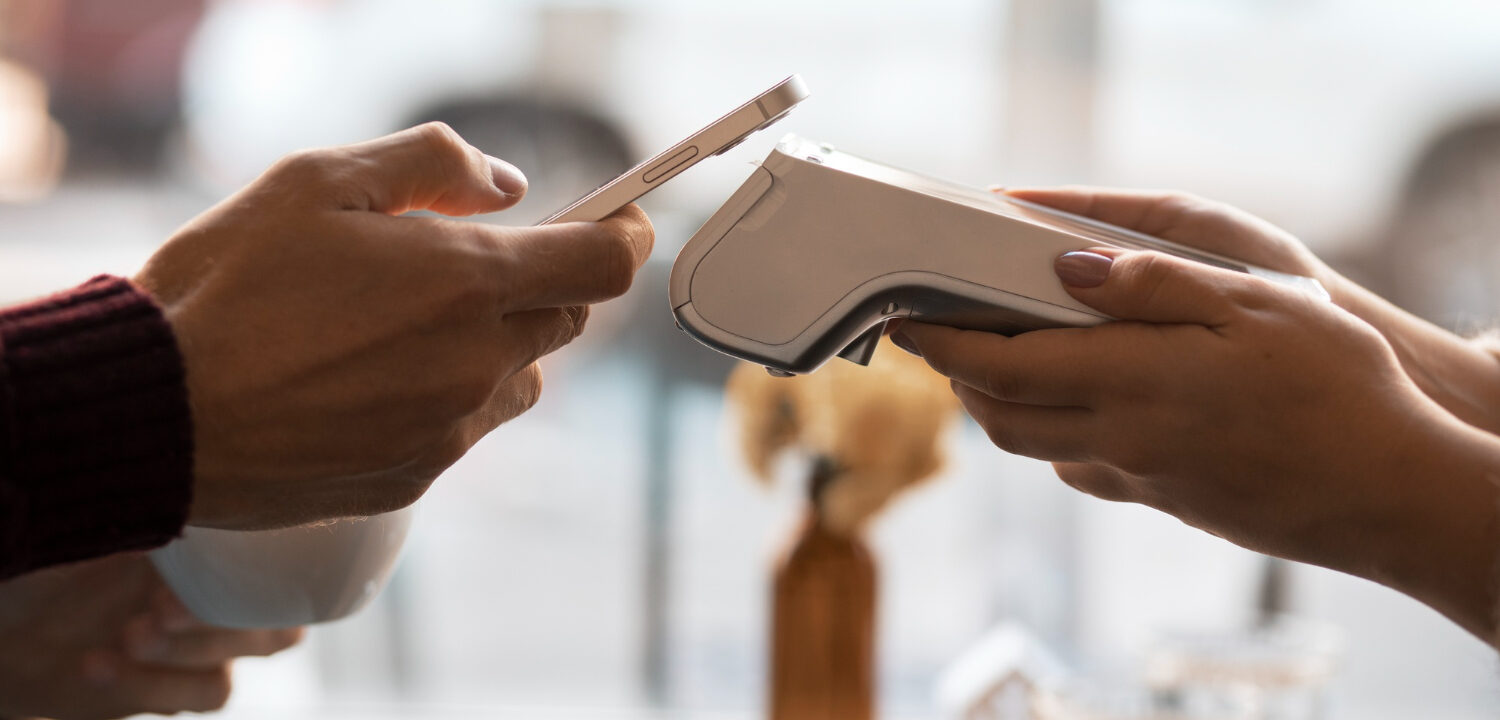
Contactless acceptance is widespread. If your Mastercard is in Apple Pay, Google Pay, or another wallet, you can tap your phone or watch wherever you see the contactless symbol. This adds device level security, reduces wear on the physical card, and is fast at the table. For unusually high tabs, the terminal may prompt for a chip and PIN.
Costs and Settlement for Restaurants
For restaurants in Malta, processing costs depend on your acquirer, card mix, and volume. Expect a percentage fee plus a fixed amount per transaction. Compare effective rates across providers, including monthly fees, chargeback fees, and hardware or software costs. Many operators can reduce costs by negotiating volume pricing and avoiding premium plans that bundle extras you do not need.
Card payouts typically arrive within one to three business days, depending on your provider and risk profile. Faster settlement is available from some partners at an added cost. Merchants in Malta generally may not add surcharges to consumer Mastercard and Visa cards issued within the EU or EEA. If you accept corporate cards or cards issued outside the region, review your legal options before you configure surcharges.
Security and Compliance
Security is strong with chip and contactless. EMV reduces counterfeit risk, and network tools help spot unusual activity. For online orders, enable 3D Secure to authenticate cardholders and shift fraud liability when supported. Keep terminals updated, disable magstripe fallback except where required, and train staff to handle tip adjustments. For compliance, choose a setup that keeps your PCI scope small and complete the annual self-assessment as required.
Benefits of Accepting Cards
Accepting cards speeds table turns and can raise the average ticket. Tap to pay reduces waits and removes the need to make change. Card acceptance also cuts errors in cash handling and reduces theft risk. Integration with your point of sale improves reconciliation, speeds end of day counts and gives clearer reporting for taxes and inventory.
Tips for Diners
Choose euro at the terminal to avoid dynamic currency conversion markups. Carry a second payment method in case a small venue is cash only or the terminal is offline. Prefer cards with no foreign transaction fees if your account is not in euro. Enable alerts in your banking app so you can spot duplicate charges.
Keep digital copies of receipts for expenses. If a terminal fails mid transaction, ask the server to void the attempt and rerun the charge. Check tip lines before you sign and add the gratuity only once.
Tips for Restaurateurs
Shop your acquiring and compare effective rates that include interchange, acquirer margin, fixed fees, and hardware or software charges. Negotiate where you have volume and ask for pricing that matches your ticket size.
Enable contactless and mobile wallets and make sure your terminals default to euro for currency choice. Integrate payments with your point of sale to reduce keying errors and speed end of day reconciliation. Offer pay at table so cards never leave the guest. Train staff to handle declines well, check card presence for high value tabs, and document refunds and voids.